30 Ways to Drive More Sales for Your Local Business
Growing businesses don't sit back and hope the phone rings. They put a system behind their growth: showing up where customers search, following up with people who almost bought, and making it dead simple to pay.
If you want more sales but aren't sure where to start, here are 30 tactics you can put to work right now. Some are free, some take budget, and all of them work better when your marketing and your payments talk to each other. That's the whole idea behind VIV.
First, Check If Your Business Is Sales-Ready
Before you spend a dollar on marketing, make sure the foundation can convert the attention you're about to earn. Traffic sent to a weak website or an unanswered phone line is money burned.
Run through this checklist:
- Does your business look trustworthy online? Real photos, clear contact info, recent reviews, and a professional website. Customers judge you in seconds.
- Can people find what they need fast? Your services, pricing signals, hours, and location should be obvious within one scroll.
- Do your service pages actually sell? Talk about outcomes, not features. What problem do you solve and why should they pick you?
- Is it easy to take the next step? Click to call, book online, request a quote. One clear action per page.
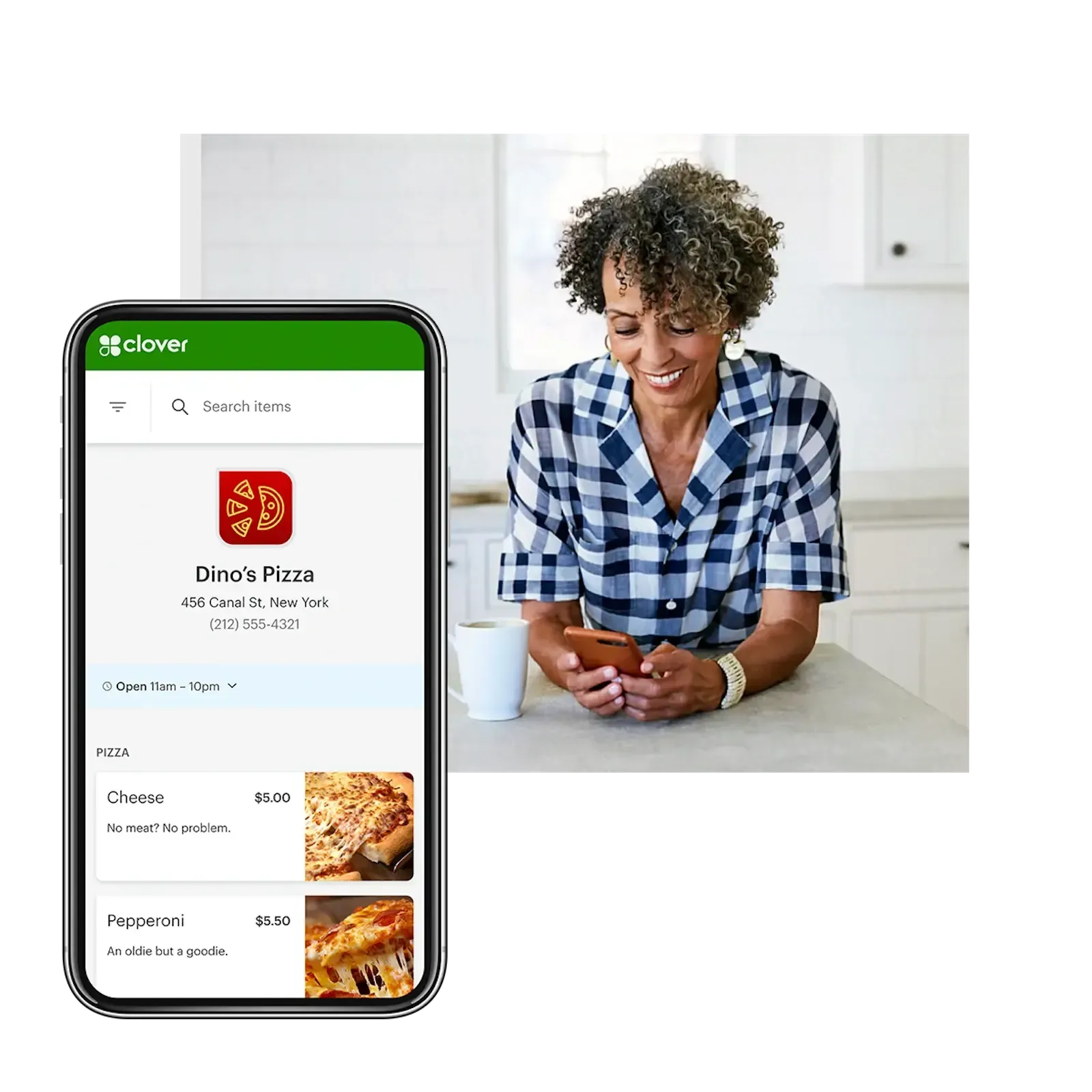
- Is paying you frictionless? Card, tap, text-to-pay, financing where it makes sense. Every extra step at payment costs you revenue.
Then test it yourself. Call your own number. Fill out your own form. Book your own appointment. You'll be surprised what you find.
VIV was built for exactly this. Your website, ads, listings, email, bookings, and payments run in one system, so the leads you generate actually turn into revenue you can track.
Free Ways to Drive Sales
These tactics cost time instead of money. They tend to compound, so the earlier you start, the better.
1. Claim and Optimize Your Google Business Profile
For a local business, this is the single highest-leverage free move. Complete every field, add photos monthly, post updates, and answer the Q&A section before a competitor does. Businesses that keep their profile active show up more often in the map pack, and the map pack is where local buying decisions happen.
2. Get Your Listings Consistent Everywhere
Your name, address, phone, and hours need to match across Google, Apple Maps, Yelp, Facebook, Bing, and the dozens of directories that feed them. Inconsistent listings confuse both customers and search engines. This is tedious to do by hand, which is why VIV manages it centrally for our merchants.
3. Ask Every Happy Customer for a Review
Reviews are the modern word of mouth, and volume plus recency beats a perfect score. Build the ask into your process: a text after the job, a QR code at the counter, a follow-up email the next day. Then respond to every review, good or bad. Future customers read your responses as closely as the reviews themselves.
4. Turn Your Customer List Into an Email Program
You already have your most valuable audience: people who have paid you before. A simple monthly email with a useful tip, a seasonal reminder, and one clear offer will outperform almost any cold channel. Email consistently delivers some of the highest returns in marketing because you own the list and pay nothing to reach it.
5. Send Service Reminders
Oil changes, HVAC tune-ups, dental cleanings, seasonal maintenance. If your business has a natural repeat cycle, automated reminders are the easiest sales you will ever make. The customer already trusts you. You just have to show up at the right moment.
6. Win Back Lapsed Customers
Pull the list of customers who haven't purchased in six to twelve months and reach out with a simple "we miss you" offer. This is where connecting payment data to marketing pays off directly: when your system knows who bought what and when, win-back campaigns build themselves.
7. Post Consistently on the One or Two Platforms That Matter
You don't need to be everywhere. Figure out where your customers actually spend time, then show up there regularly with real content: jobs you've completed, before-and-afters, your team, answers to common questions. Consistency beats production value.
8. Show Your Work With Before-and-After Content
Almost every local business has visual proof of value. A detailed transmission rebuild, a landscaped yard, a smile makeover. Document it. This content works on your website, in your emails, on social, and in your sales conversations.
9. Answer Questions in Public
Find where your customers ask questions, whether that's local Facebook groups, Nextdoor, Reddit, or community forums, and answer helpfully without pitching. Over time you become the obvious choice when they need what you sell.
10. Start a Simple Blog or FAQ Hub
Write down the ten questions customers ask you every week and publish a clear answer to each one. This builds search traffic, saves your team time on the phone, and moves buyers closer to a decision before they ever contact you.
11. Add Online Booking
Every step between "I want this" and "it's scheduled" loses customers. Online booking captures the people who research at 10pm and won't call back tomorrow. Put the booking link everywhere: website, Google profile, email signature, social bios.
12. Put a Live Chat or Text Line on Your Site
A lot of customers won't call, but they will text. Giving them a fast way to ask a quick question keeps them from bouncing to the next result on Google.
13. Publish Your Pricing Approach
You don't have to list every price, but pages that explain how pricing works, what affects cost, and what's included convert dramatically better than pages that hide everything behind "call for a quote."
14. Build a Referral Habit
Most local businesses get referrals by accident. Make it deliberate: ask at the moment of peak happiness, right after you've delivered. A simple "who else do you know who needs this?" plus a small thank-you for successful referrals turns customers into a sales channel.
15. Partner With Neighboring Businesses
The auto shop and the tire store. The gym and the physical therapist. The florist and the wedding venue. Find businesses that share your customers but not your service, and trade referrals, cross-promote in each other's emails, or run a joint offer.
16. Get Involved Locally
Sponsor the little league team, show up at the community festival, support a local cause your customers care about. This builds the kind of trust ads can't buy, and it gives you content and goodwill at the same time.
17. Use Your Email Signature and Invoices as Ad Space
Every email you send and every receipt you issue is an impression. Add your review link, your booking link, or a current offer. Free distribution you're probably wasting today.
18. Run a Giveaway
A well-run giveaway grows your email list and social following fast. Make the prize something only your ideal customer would want (a free detail, a free month of service) so you attract buyers, not prize hunters. Then follow up with the entire entry list.
19. Offer a Guarantee
Risk kills sales. A clear guarantee, warranty, or "make it right" promise removes the biggest objection a new customer has: what if this goes wrong? Put it front and center on your site and in your ads.
20. Make Paying You Effortless
Text-to-pay, stored cards for repeat customers, tap on-site, financing for big tickets. Payment friction is invisible lost revenue. This is also where owning your payments gives you an edge: every transaction becomes data you can market with.
Paid Ways to Drive Sales
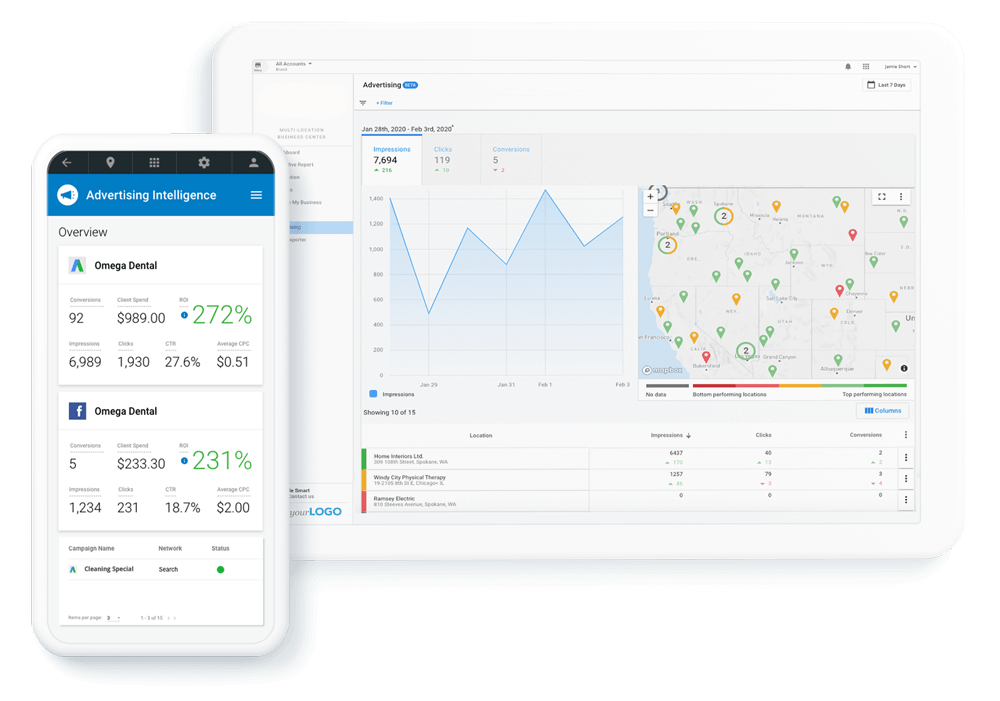
When you're ready to invest, these channels deliver results faster than organic work. The key is tracking every dollar to actual revenue, not just clicks.
21. Run Google Ads on High-Intent Searches
Someone searching "emergency plumber near me" or "brake repair open now" is ready to buy today. Search ads put you in front of that intent the moment it happens. Start with your highest-margin services, tight geographic targeting, and call tracking so you know exactly which keywords make the phone ring.
22. Turn On Local Services Ads
For eligible categories, Google's Local Services Ads put you at the very top of results with a Google Guaranteed badge, and you pay per lead instead of per click. If you qualify, this belongs in your mix.
23. Retarget Your Website Visitors
Most visitors leave without contacting you. Retargeting on Meta and Google keeps your business in front of them for the days or weeks it takes to decide. It's usually the cheapest paid channel because you're only paying to reach people who already showed interest.
24. Run Meta Ads to Your Local Area
Facebook and Instagram ads excel at demand creation: reaching people who aren't searching yet but fit your customer profile perfectly. Use real photos and video from your business, not stock imagery. Authentic beats polished for local.
25. Test Offer-Driven Campaigns
A specific offer with a deadline outperforms a generic "we exist" ad every time. New customer special, seasonal package, bundle pricing. Give people a reason to act this week instead of someday.
26. Put Budget Behind Your Best Reviews and Content
Your highest-performing organic posts and five-star reviews are proven creative. Boosting what already works is lower risk than guessing at new ad concepts.
27. Work With Local Influencers and Voices
You don't need celebrities. A trusted local food blogger, a neighborhood Facebook group admin, or a well-followed community figure can drive real foot traffic and calls for a fraction of what traditional ads cost.
28. Use Direct Mail Where It Still Works
For the right verticals, a well-designed postcard to the right neighborhoods still pulls. Pair it with a QR code and a trackable offer so you can measure it like a digital channel. Print works best as part of a coordinated push, hitting the same households your digital ads are reaching.
29. Reward Repeat Business
A simple loyalty program, whether points, punch-card style, or a members-only perk, increases visit frequency with the customers who already like you. Acquiring a new customer costs several times more than getting an existing one to come back.
30. Measure Revenue, Not Vanity Metrics
This one is less a tactic and more the discipline that makes every other tactic work. Clicks, impressions, and likes don't pay rent. Tie every campaign to booked jobs and processed payments, then cut what doesn't produce and double what does. When your marketing platform and your payment platform are the same system, this stops being guesswork.
The Common Thread
Every tactic on this list gets stronger when it's connected. Reviews feed your ads. Payment data feeds your email campaigns. Your website feeds your bookings, and your bookings feed your reminders.
That's the problem VIV was built to solve: one platform where your marketing and your revenue live together, so you always know what's working. If you'd rather run your business than run your marketing, we should talk.
See how VIV works at builtbyviv.com .